Here's a reel of highlights from my work in educational video strategy and production, featuring client work for UC Berkeley, the Lawrence Hall of Science, Black Pine Circle School, The Potters Studio and Or Initiative at Chapman University.
📌 Hiring an educational video producer
I hear all the time from nonprofits and entrepreneurs who want to make media for screens of all sizes, from phones to planetariums - and I love taking these calls, but they’re often premature. Producers like me can't bid on projects they can't picture. Here's how to prepare a creative spec before you start making calls.
1. Learning outcomes.
What are the two or three things you want viewers of our project to walk away knowing or feeling or doing? These outcomes should be the core of educational media and you should definitely start by making a list of these.
2. Intended audience and use environment
Is this project for Higher ed environments? K-6 educators? Random adults browsing YouTube? The Instagram algorithm? Your answer will shape every creative decision, from length and pacing to production value to graphics style to assumed vocabulary. Plus, classroom screenings vs Tiktok scrolling environments vs professional email embeds are three completely different viewing environments. Know where your video is going to live before we talk about creating it.
3. A draft script
Don't wait to hire someone before thinking this through. As a subject matter expert, you should put some of your thoughts together before seeking lights, cameras and animation. It doesn't have to be polished — a rough draft is fine. It's a great way to communicate the scope, tone, and complexity of your project, and I’ll be able to understand your project and make a more accurate bid once I’ve seen it.
4. Asset plan
Will your video necessitate the use of archival footage and photos? Who will research and license those — you, your producer, or a researcher you separately hire/coordinate? Will you need original illustrations or animation? These decisions are significant cost drivers and any producer making a bid needs clear answers upfront.
5. Visual references
Start collecting videos (social media links, the names of TV shows, documentary films) that you like — for their look, their tone, their approach to graphics and music. They don't have to be on your topic. Look for a vibe, not something to clone. In the creative world, these are called comps and the more specific they are, the better.
6. What success looks like
"Going viral" and "viewers can restate the key concepts" are both valid goals — but they lead to very different videos. Be honest about what you actually want, and know that even online, there are many different metrics that matter: views, watchtime, shares, saves or maybe even sales. We can talk about which one you ought to care about if you know what success means for you.
Ready to talk through your project? Contact me!
Some of my work
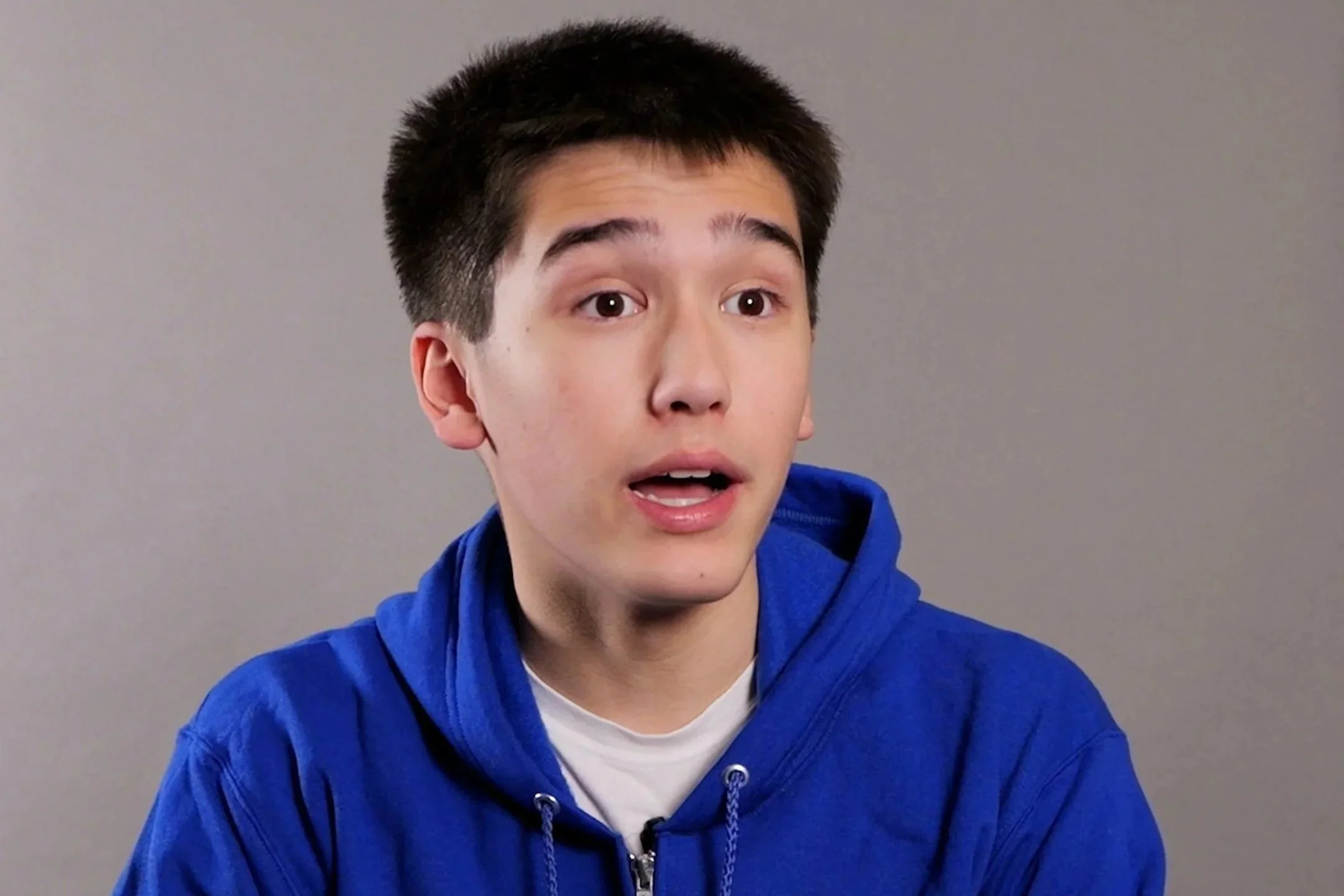
As digital media creator for the Or Initiative at Chapman University, I help develop evidence-based tools to help middle school, high school, and college students engage deeply with contentious issues—beginning with the Middle East conflict. I did a curricular landscape analysis and created a series of videos presenting research findings. Click the link to learn more.
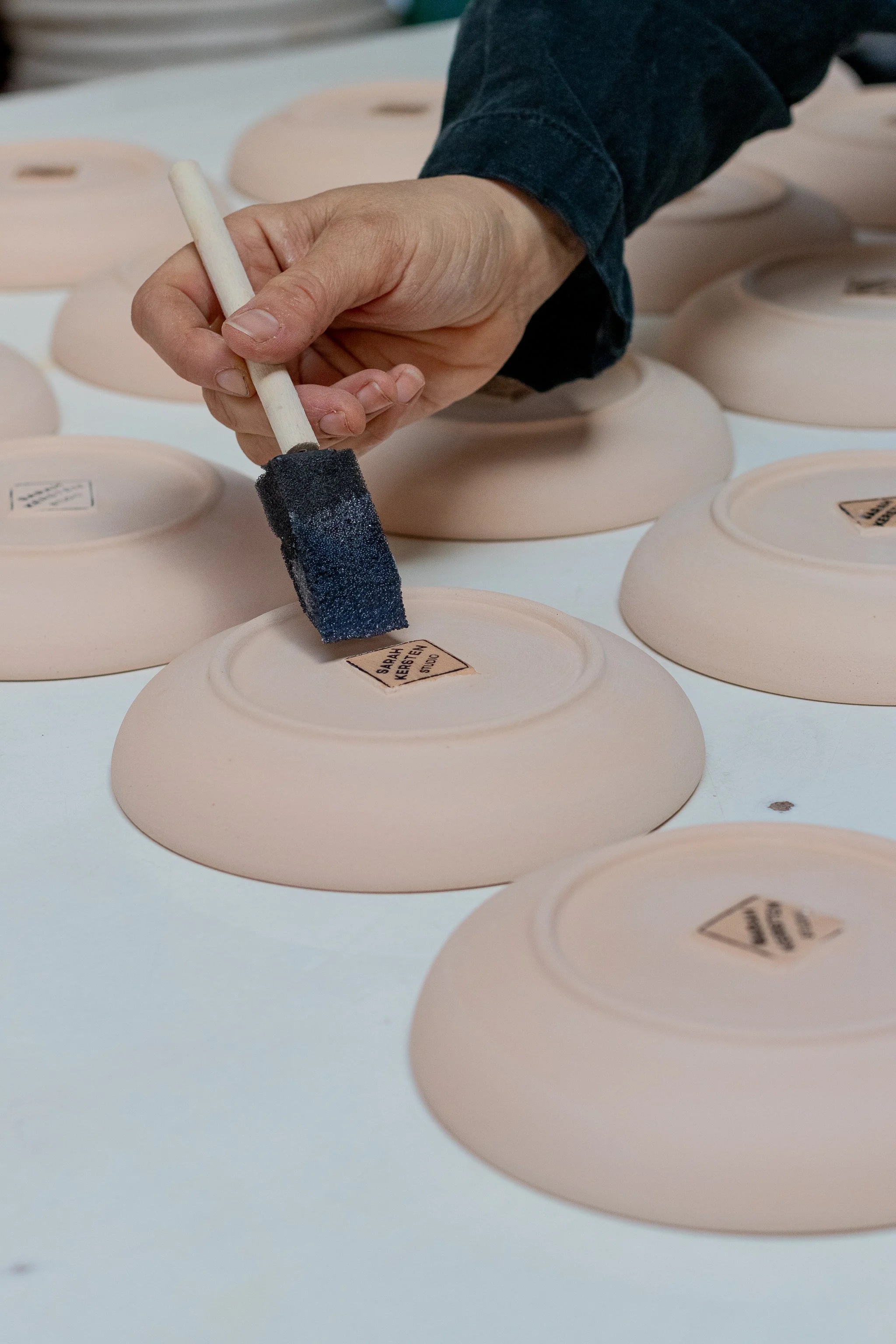
I produce social media videos for The Potters Studio, a 50 year old Berkeley community ceramics center. Projects range from 90 second reels featuring potters, to quick turn event highlights and fundraising spots. Watch at the image link.

I produced a video course called Social Media Drivers License for tweens and their parents that teaches the basics of safe and responsible smartphone use. Ready, Set, Screen hired me to review scripts, storyboard video content, cast actors, source a crew and secure locations. I shot B-roll and contributed to the early editing process. Learn more at the image link.
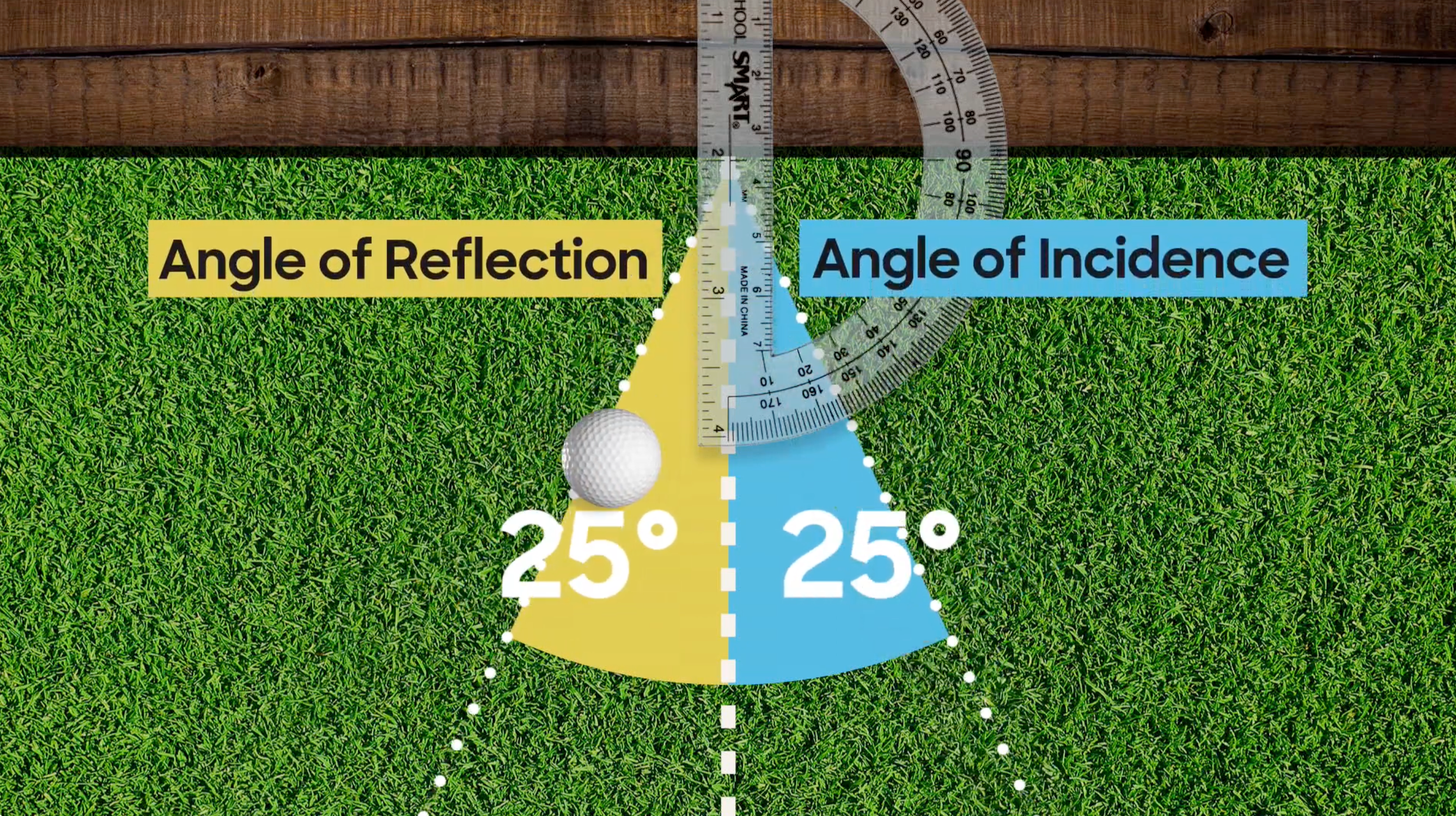
An example of educational exhibit media I produced. This looping video was set up behind a mini-golf station at the Lawrence Hall of Science to explain how angles work in golf. (The sound is irrelevant in this clip as it was played silently in the museum gallery.)
I produced this video called "Racial Antisemitism" for UC Berkeley's Antisemitism Education Initiative, overseeing script polish, videography, storyboard and editing. I directed the motion graphics creation with a talented subcontractor partner. (Note that this video was created for classrooms, not Youtube, it only lives there as a portfolio item.)
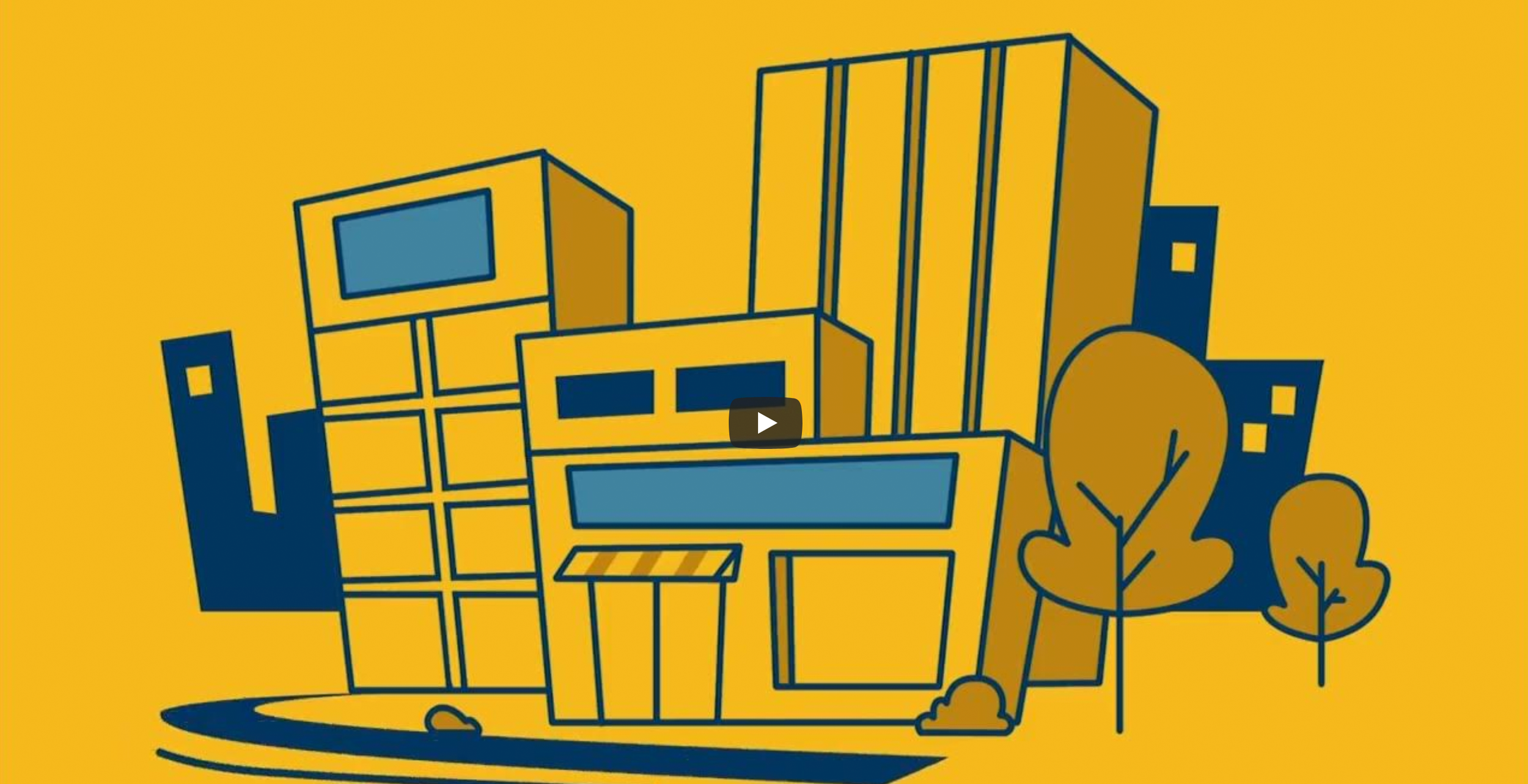
An explainer I produced for The Berkeley Center for Law and Business at UC Berkeley. Oversaw scriptwriting, storyboard, art direction and editing.
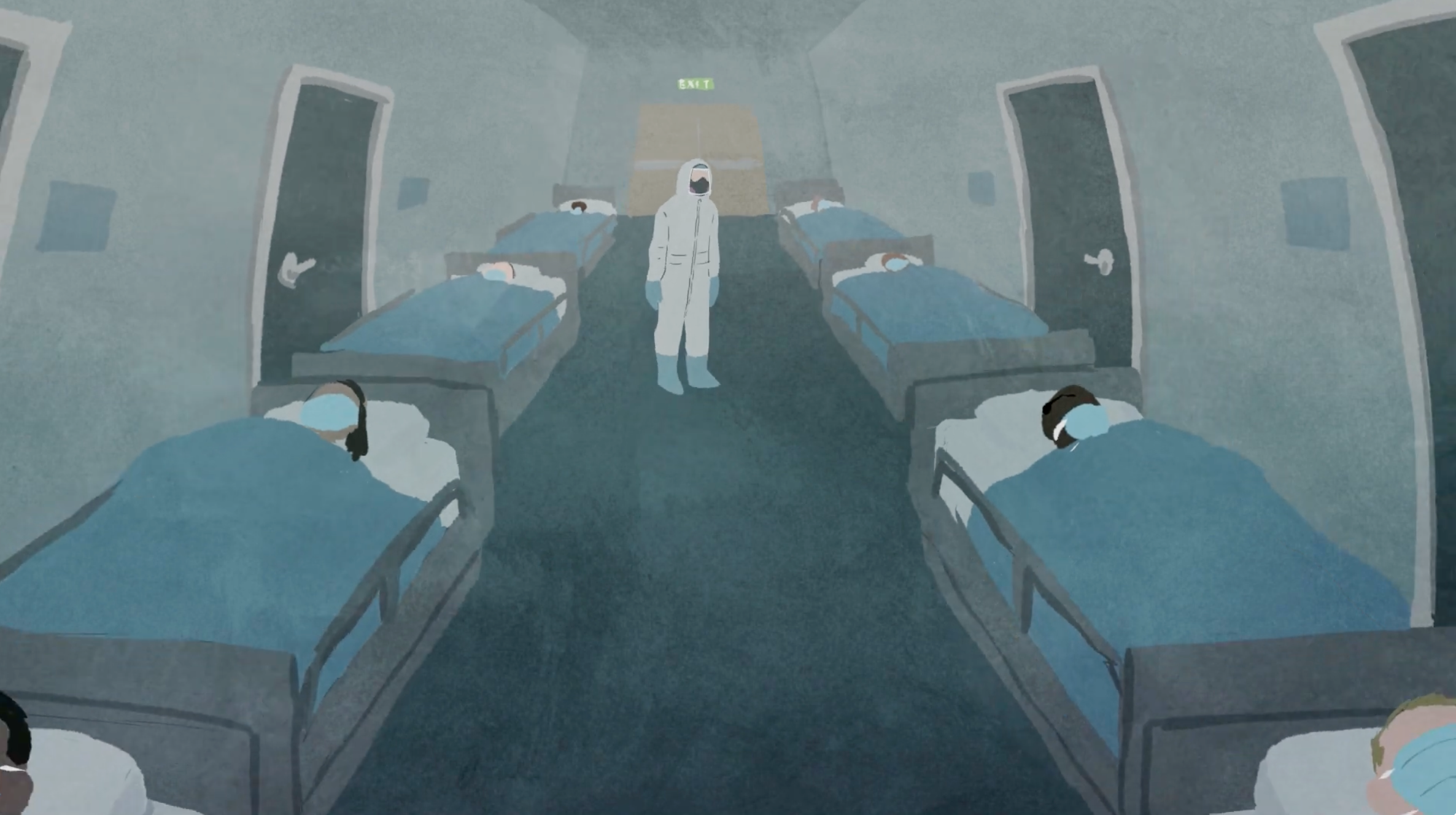
An animated glimpse into the struggles of four first-responders on the frontlines of the COVID-19 crisis: an ER doctor in a New York City hospital, a chaplain in a NYC hospital, a nurse in Jerusalem, and a public health nurse combatting homelessness in California. I co-produced with Flo Low; my focus was the animation while she led up sound. Told in the subject’s own voice, each story gives a brief but intense glimpse into their daily struggles combatting the pandemic in April 2020. Of necessity, and with an eye on a timely release, this project was designed with an extremely compressed timeline that informed and impacted all of our production choices, from animation styles to musical scoring. We embraced the sprint this approach requires: subjects and animators were selected while we were still working on funding; subjects worked remotely with our sound designer to self-record as best as possible. Animation began on June 15 and the films were completed before August 1.
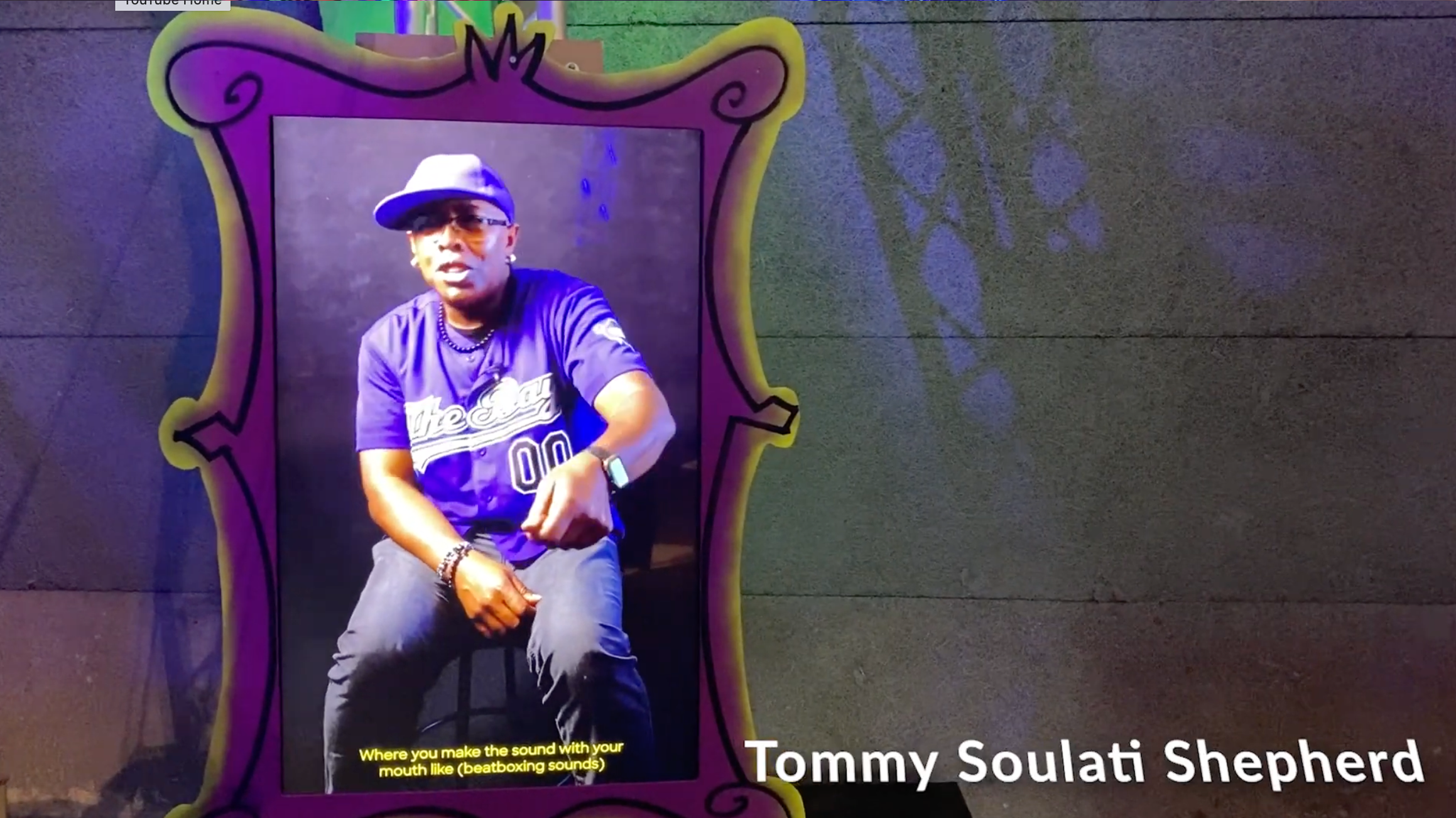
I love producing mini-docs about people. This is a still from the Lawrence Hall of Science's MAKING MUSIC exhibit, for which I produced four vertical docs about how science and math are behind all kinds of music. See the videos in their context by clicking the image link.
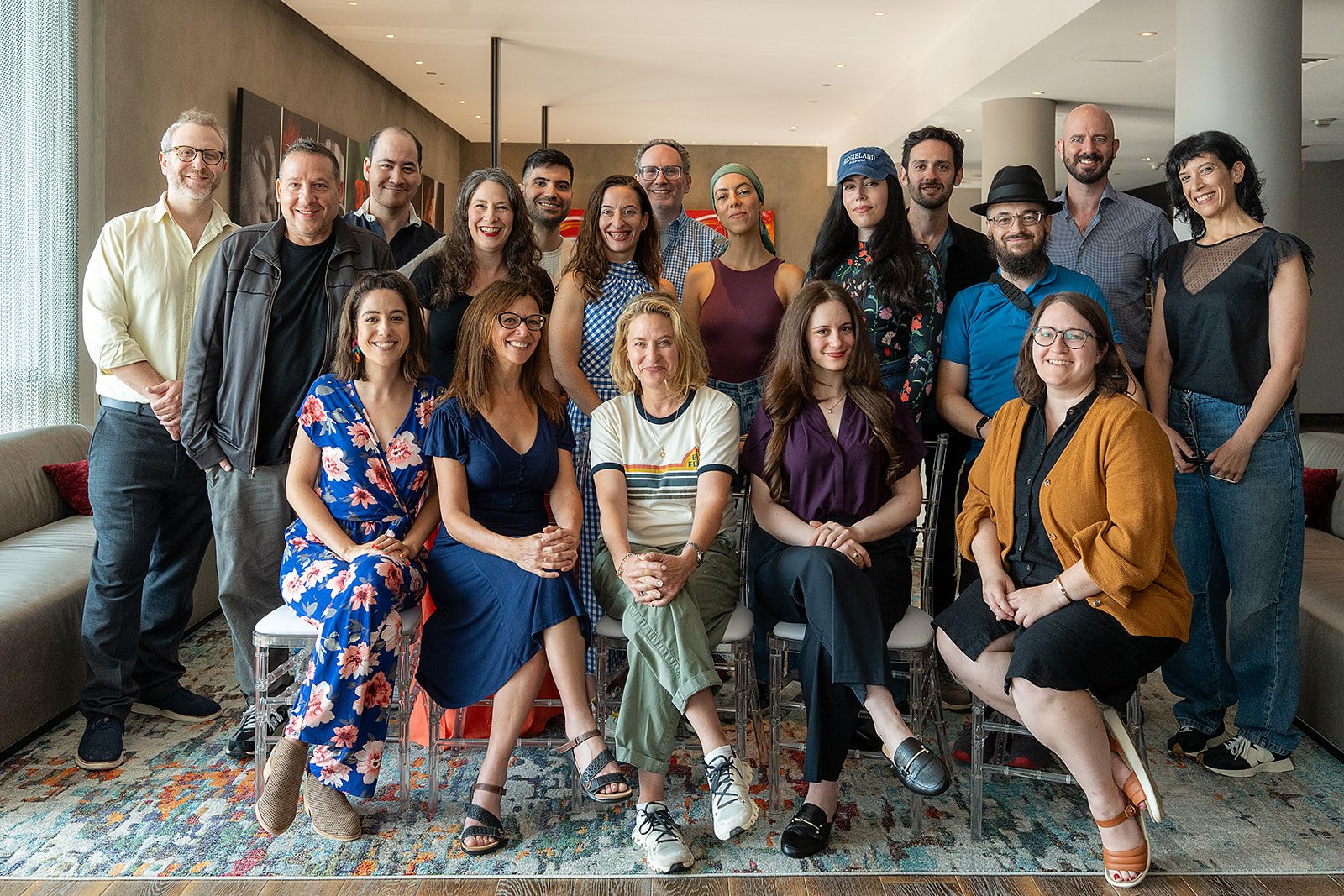
I’m Creative Director of the Digital Storytellers Lab - a yearlong fellowship that gives digital creators production funding and mentorship for a variety of new digital audio/visual media exploring Jewish themes for new media platforms. Thanks to the vision and support of the Maimonides Fund, I designed the program and keep it running with an all-star team of mentors from Youtube, Meta, Spotify, PRX, independent filmmaking, and philanthropy. Learn more at the image link.
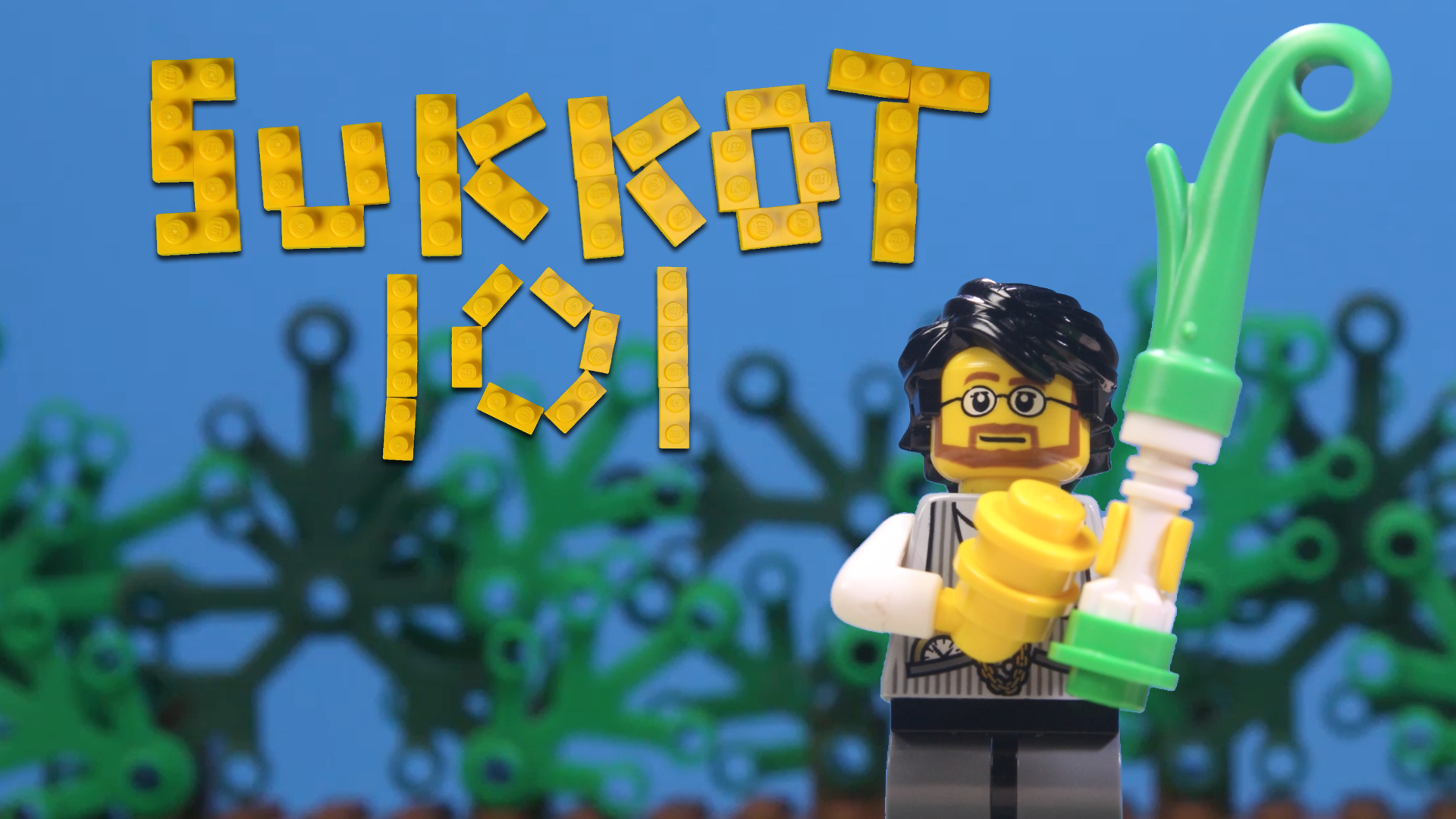
I conceived and produced this Lego® Sukkot stop motion animation and I couldn’t be more geeked out about it! Learn the basics of the Jewish holiday called Sukkot, including festival huts, lulavs, etrogs, foods, prayers and the spiritual meaning of all the unique rituals.
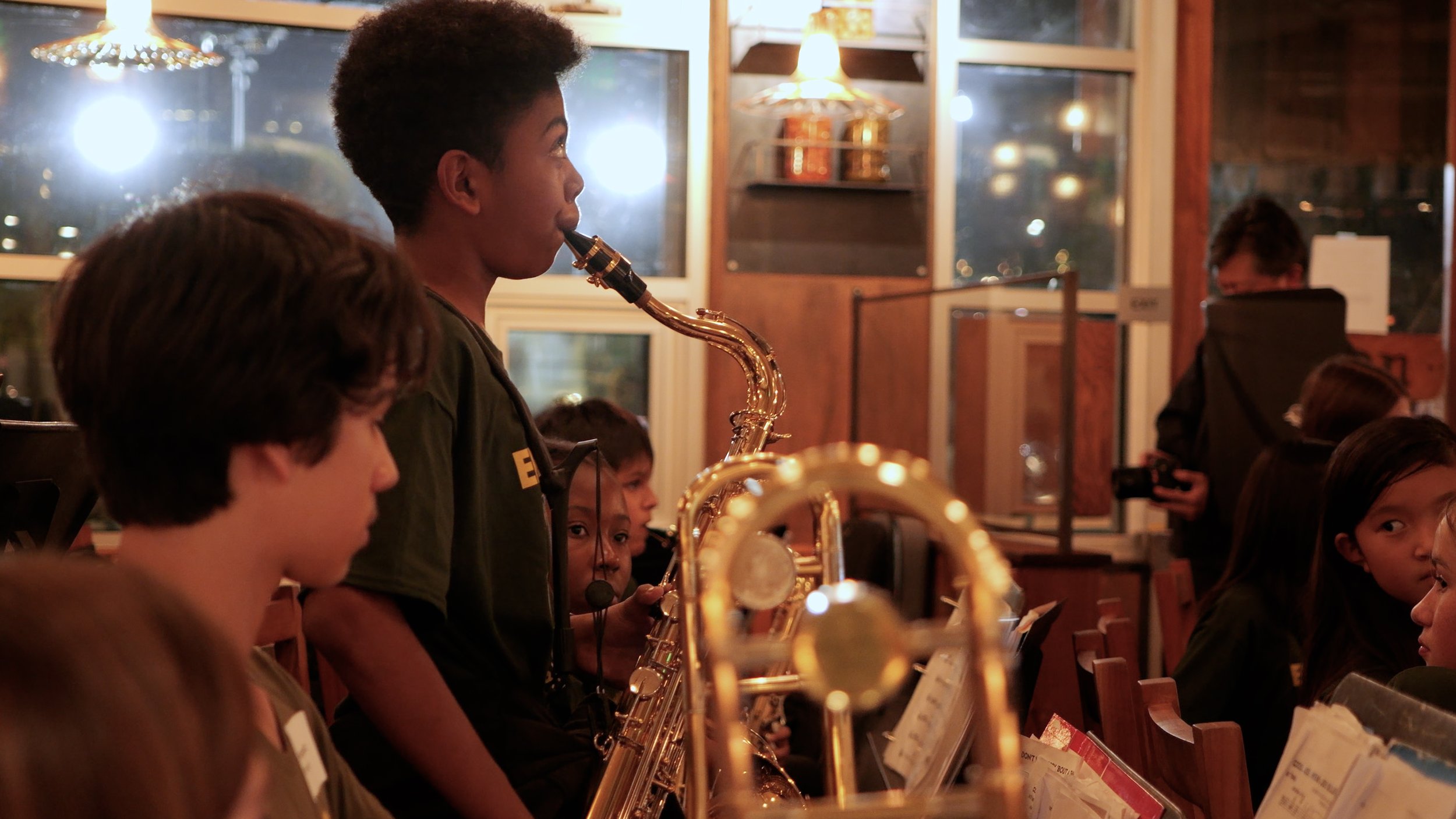
I do social media work for Black Pine Circle school and its jazz band.

Leviticus!
“As the game begins, cartoon animals go flying in the air, and players must slash their throats by swiping a finger across the screen. Like many similar video games designed for the iPhone and the iPad—most notably the ubiquitous Fruit Ninja—this new game, too, is fast, fun, and unremitting: one misguided touch and it’s all over. But play for a moment or two, and you realize that the game’s rules—blemished animals must be spared, doves must be sacrificed by the pair—were set in place by the grandest designer of them all: The game you’re playing is based on the Bible’s most intricately detailed book.”
- Leviticus, The Video Game (Tablet Magazine)
This is another labor of love - I developed the concept and produced the whole thing on a grant of $25,000 that I raised. It’s unfortunately not been able to keep up with the development of iOS but I can share the game design document and art samples if you’re interested! Would LOVE to rebuild sometime.